
The High Chaparral
My Cowboy Obsession

Growing up on our farm in the rolling hills of the Natal Midlands, thousands of miles from the American West, I became utterly converted to the life of a cowboy. It started innocently enough—I’d beg for cowboy outfits on my birthdays, complete with hats, vests, and toy holsters. I’d fall asleep under a thick cowboy-themed blanket patterned with Navajo motifs, and my everyday wardrobe leaned heavily into plaid shirts, sturdy corduroy pants, and those classic Grasshopper leathers that felt just rugged enough for imaginary roundups. In my mind, the dusty trails of Arizona were as real as the green pastures surrounding our home.
Before television entered our lives, entertainment came from the old projector in the dining room. We’d dim the lights, crank the machine, and watch flickering black-and-white images dance across the white wall. Classics like High Noon with Gary Cooper stood out—I remember us watching it multiple times, mesmerized by the tension and heroism. Those projector nights fueled my dreams of the Wild West.
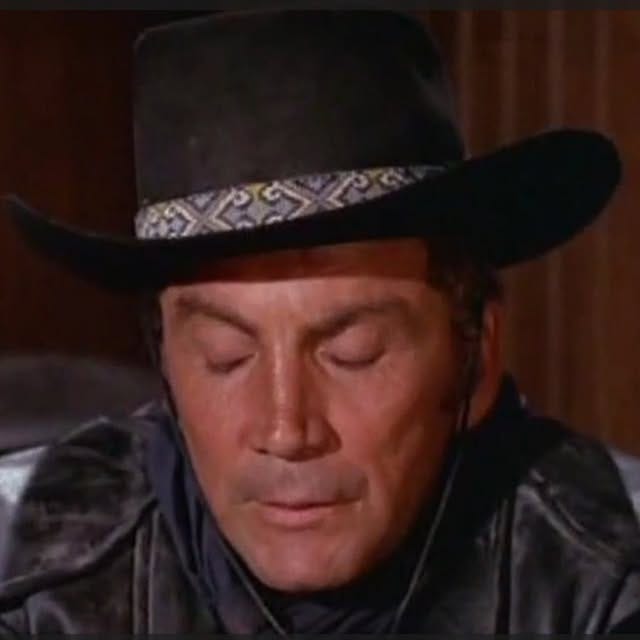
Then came the Telefunken TV, a monumental arrival that opened up new worlds. Shows like Bonanza were popular, with the Cartwright family on their sprawling Ponderosa ranch, but to me, they were a bunch of poefters—too polished, too tame. The real deal, the one that gripped me completely, was The High Chaparral. Created by David Dortort (the same man behind Bonanza), this series ran in the States in the late sixties, reaching us a decade later and followed the tough Cannon family as they battled to build a cattle empire on their ranch in the harsh Arizona Territory of the 1870s, just outside Tucson. “Big John” Cannon, played by Leif Erickson, was the determined patriarch; his roguish brother Buck (Cameron Mitchell), son Blue (Mark Slade), and later his new wife Victoria (Linda Cristal)—daughter of the powerful Mexican rancher Don Sebastian Montoya—and her charming brother Manolito (Henry Darrow) added layers of family drama, cultural clashes, and high-stakes adventure amid Apache raids and border tensions.
I’d make every effort to be planted in front of that TV when it aired. It was immersive in a way nothing else was—the gritty realism of the outdoor filming in the actual Arizona desert transported me completely. Suddenly, I was there in the sun-baked landscape, riding alongside the Cannons, feeling the dust and danger. It wasn’t just entertainment; it was an escape, a hundred years back in time.
To this day, decades later, I still revisit the episodes. It takes months to work through them all, savoring each one, but it’s pure enjoyment—a timeless reminder of the boy on a Midlands farm who found his heroes in the High Chaparral.
Ronald Bartels | LinkedIn | Instagram